Amaryllidaceae
Daffodil Care Guide
Narcissus
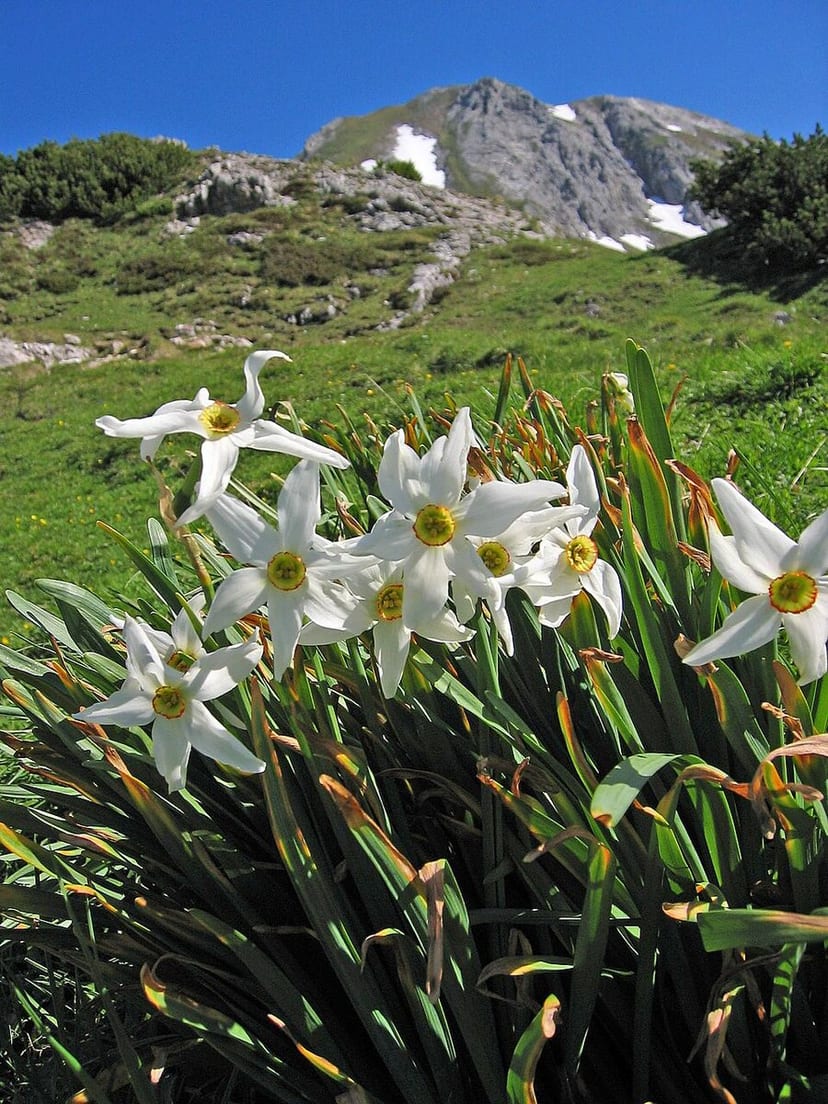
Daffodils (Narcissus) are spring-flowering bulbs with trumpet or cup blooms — among the most searched garden flowers for naturalizing lawns and borders in the US and Europe.
 View Gallery
Care Overview
Light
Sun / light shade
Best blooms in open sun; light spring shade is acceptable.
Water
Average
Water after fall planting if dry; avoid soggy winter sites.
Temperature
Cold winter chill
Most types need a cold period to bloom reliably.
Humidity
Outdoor average
Good drainage matters more than humidity.
Soil
Well-drained
Basal rot thrives in waterlogged clay — amend or raise beds.
Pet Safe
Toxic if eaten
Bulbs and sap are poisonous — store and plant out of pet reach.
Detailed Care Instructions
Planting Depth
Set bulbs about 2–3× their height deep in drained soil. Mass plantings look best in drifts rather than single-file rows. Pointed end up; firm soil to remove air pockets.
Watering
Water after planting if the soil is dry. Spring rainfall usually covers needs once established. Chronic winter wet causes basal rot more often than drought does.
After Bloom
Deadhead spent flowers but keep foliage until it yellows so bulbs store energy. Tying or braiding leaves is optional; cutting green leaves early is the main cause of “blind” bulbs next year.
Division
Lift and divide crowded clumps after foliage dies back if flowering declines. Replant promptly at the correct depth and water once to settle soil.
Handling Safety
Wear gloves if your skin is sensitive — sap can irritate. Never leave mesh bags of bulbs where dogs can chew them in the garage or shed.
How to Propagate
- 1
Step 1
Separate offsets when dormant
- 2
Step 2
Replant healthy bulbs at the correct depth
- 3
Step 3
Avoid planting in waterlogged sites
Common Problems & Solutions
Issue 1
CommonBasal rot in poorly drained soil
What to do:
- Check soil moisture and light first
- Adjust watering or humidity as needed
- Remove damaged leaves and monitor for 1–2 weeks
Issue 2
OccasionalNarcissus bulb fly in some regions
What to do:
- Check soil moisture and light first
- Adjust watering or humidity as needed
- Remove damaged leaves and monitor for 1–2 weeks
Issue 3
RareBlind bulbs from cutting foliage too early
What to do:
- Check soil moisture and light first
- Adjust watering or humidity as needed
- Remove damaged leaves and monitor for 1–2 weeks
Toxicity Information & Safety Guide
Pets
ToxicBulbs and plant parts are toxic if eaten; sap may irritate skin and mouth.
Symptoms:
- Vomiting / diarrhea
- Drooling
- Lethargy; seek urgent care if many bulbs eaten
What to do:
- Remove remaining plant material
- Call a vet or poison hotline
- Bring the scientific name Narcissus
Frequently Asked Questions
How often should I water Daffodil?
Average. Water after fall planting if dry; avoid soggy winter sites.
What light does Daffodil need?
Sun / light shade. Best blooms in open sun; light spring shade is acceptable.
Is Daffodil toxic to pets?
Toxic if eaten. Narcissus bulbs and sap are toxic if eaten and can irritate skin. Keep bulbs away from pets and children; wear gloves when handling if sensitive.
How do I propagate Daffodil?
Step 1: Separate offsets when dormant
What are common problems with Daffodil?
Issue 1. Basal rot in poorly drained soil
Not sure what plant you have?
Upload a photo to Free Plant Identifier — free AI plant identifier online, no app required. Get the name, care tips, and pet toxicity in seconds.
Identify a plant from a photo