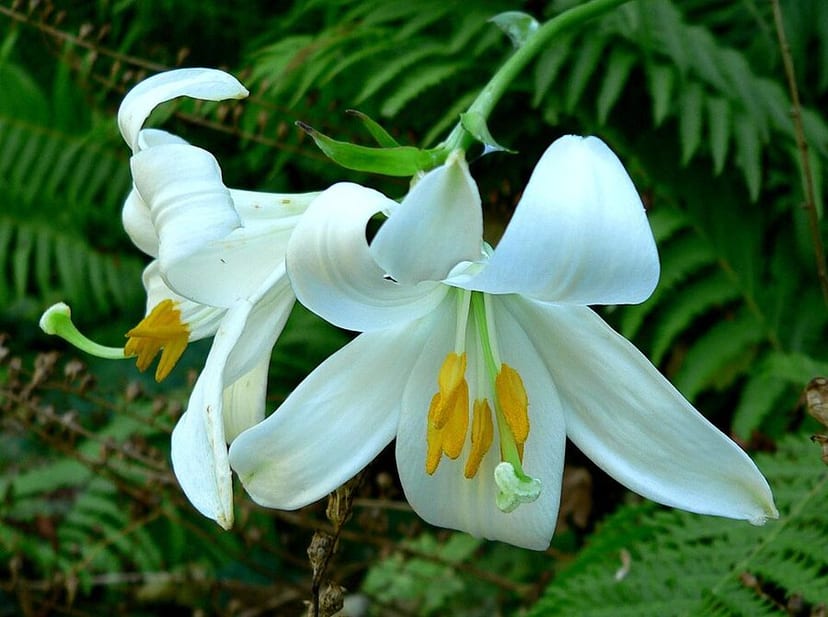
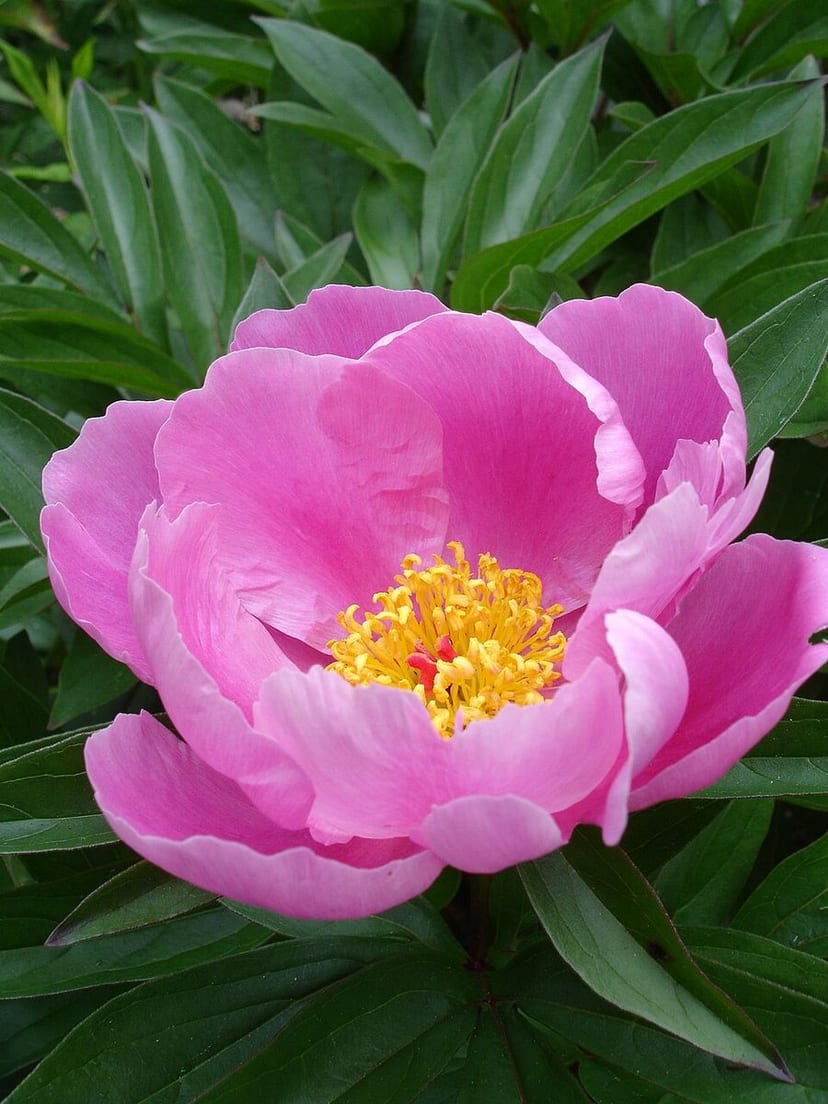
Liliaceae
Tulip Care Guide
Tulipa
Tulips define spring color across Northern Europe and North America — bulb flowers searched heavily for planting guides, bloom ID, and garden design.
 View Gallery
Care Overview
Light
Full sun
Best flowering in open, sunny beds after emergence.
Water
Even moisture
Keep soil lightly moist in growth; drier after foliage fades.
Temperature
Cool spring
Need a winter chill period; struggle in hot frost-free zones.
Humidity
Average
Outdoor air is usually fine; avoid soggy sites.
Soil
Well-drained
Sandy loam preferred — bulbs rot in winter wet clay.
Pet Safe
Toxic
Bulbs are toxic if ingested by pets or people.
Detailed Care Instructions
Planting
Set bulbs pointed end up, typically 6–8 inches deep, in fall. Space for airflow between clumps.
Light
Choose a sunny border. Afternoon shade can help in warmer US zones.
After bloom
Deadhead flowers but leave foliage until yellow so bulbs recharge for next year.
Storage
In warm climates, lift and store bulbs cool and dry after foliage dies, or treat as annuals.
How to Propagate
- 1
Step 1
Offsets (daughter bulbs) dug after foliage dies
- 2
Step 2
Seed for species tulips (slow; not typical for hybrids)
Common Problems & Solutions
Issue 1
CommonBulb rot from poorly drained soil
What to do:
- Check soil moisture and light first
- Adjust watering or humidity as needed
- Remove damaged leaves and monitor for 1–2 weeks
Animal digging (squirrels)
Occasionaluse mesh or deep planting
What to do:
- Check soil moisture and light first
- Adjust watering or humidity as needed
- Remove damaged leaves and monitor for 1–2 weeks
Issue 3
RareBlind (no flower) bulbs from early leaf removal
What to do:
- Check soil moisture and light first
- Adjust watering or humidity as needed
- Remove damaged leaves and monitor for 1–2 weeks
Toxicity Information & Safety Guide
Pets
ToxicBulbs are toxic if ingested by pets or people.
Symptoms:
- Drooling or pawing at mouth
- Vomiting or stomach upset
- Skin irritation from thorns/sap
What to do:
- Remove plant material from mouth
- Offer water; do not force feed
- Call a vet or poison hotline if needed
Children
ToxicDiscourage tasting leaves, petals, or seeds.
Effect:
- Mild mouth irritation
- Stomach discomfort if swallowed
- Scratch risk from thorns (roses)
Note:
- Place plants out of reach
- Supervise outdoor play near beds
- Wash hands after gardening
Handling
CautionTulip bulbs contain toxins that can cause drooling, vomiting, and more serious symptoms if eaten by pets.
Tips:
- Wear gloves when pruning
- Avoid eye contact with sap
- Clean tools after use
Reminder:
- Keep cuttings away from pets
- Dispose of trimmings safely
- Seek help if severe reaction occurs
Frequently Asked Questions
How often should I water Tulip?
Even moisture. Keep soil lightly moist in growth; drier after foliage fades.
What light does Tulip need?
Full sun. Best flowering in open, sunny beds after emergence.
Is Tulip toxic to pets?
Toxic. Tulip bulbs contain toxins that can cause drooling, vomiting, and more serious symptoms if eaten by pets.
How do I propagate Tulip?
Step 1: Offsets (daughter bulbs) dug after foliage dies
What are common problems with Tulip?
Issue 1. Bulb rot from poorly drained soil
Not sure what plant you have?
Upload a photo to Free Plant Identifier — free AI plant identifier online, no app required. Get the name, care tips, and pet toxicity in seconds.
Identify a plant from a photo