Paeoniaceae
Garden Peony Care Guide
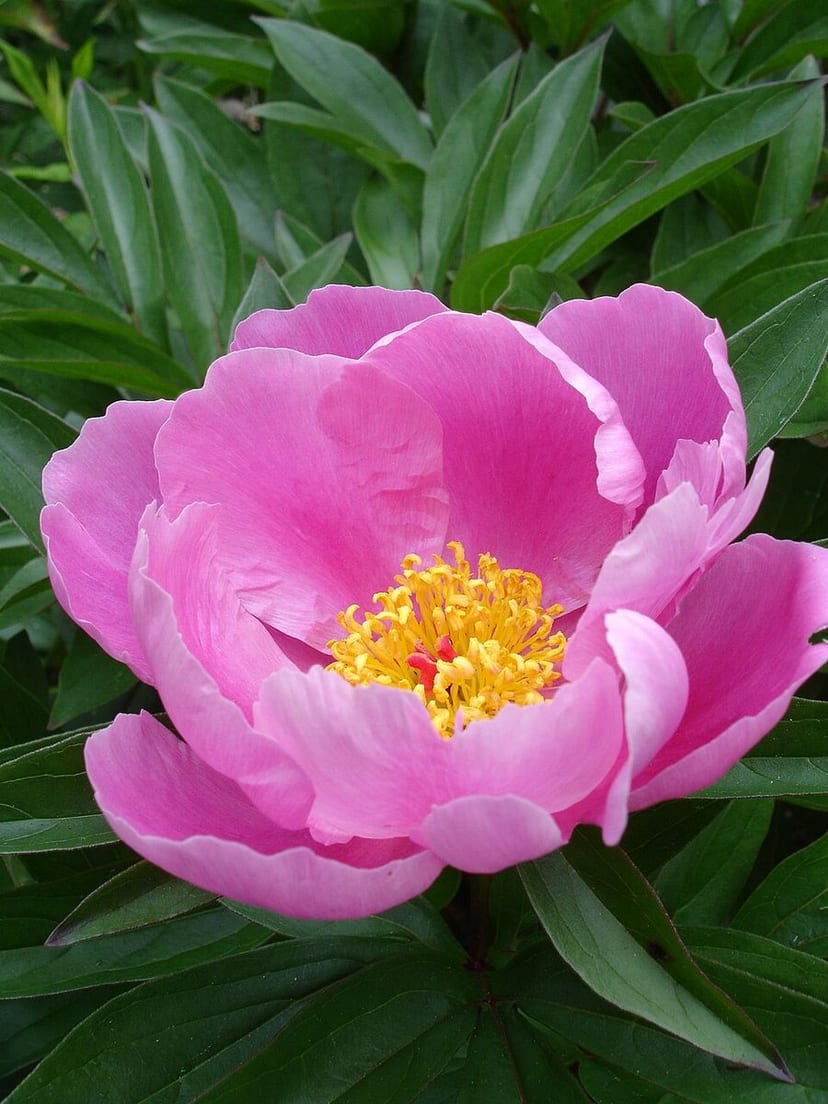
Paeonia lactiflora
Peonies are wedding-season and cottage-garden favorites in the US Midwest and Northern Europe — lush blooms with loyal perennial search interest.
 View Gallery
Care Overview
Light
Full sun
6+ hours; light shade OK in hot afternoons.
Water
Weekly
Even moisture in spring; avoid soggy crowns.
Temperature
Cold winters
Needs chill; poor choice for frost-free zones.
Humidity
Average
Space plants for airflow to limit botrytis.
Soil
Fertile loam
Rich, well-drained soil; plant buds 1–2 in deep.
Pet Safe
Mild–moderate
Can cause stomach upset; not a preferred chew toy.
Detailed Care Instructions
Planting depth
Set eyes (growth buds) no more than 1–2 inches below soil. Deeper planting is a top reason for no flowers.
Support
Install peony rings early. Double blooms get heavy after rain.
Disease
Remove dead foliage in fall. Avoid overhead watering to reduce botrytis blight.
Division
Divide in autumn every several years if clumps weaken — keep 3–5 eyes per division.
How to Propagate
- 1
Step 1
Root division in fall
- 2
Step 2
Seed (slow; may take years to flower)
Common Problems & Solutions
Issue 1
CommonFailure to bloom from deep planting or young plants
What to do:
- Check soil moisture and light first
- Adjust watering or humidity as needed
- Remove damaged leaves and monitor for 1–2 weeks
Issue 2
OccasionalBotrytis blight in cool wet springs
What to do:
- Check soil moisture and light first
- Adjust watering or humidity as needed
- Remove damaged leaves and monitor for 1–2 weeks
Issue 3
RareStem flop without support
What to do:
- Check soil moisture and light first
- Adjust watering or humidity as needed
- Remove damaged leaves and monitor for 1–2 weeks
Toxicity Information & Safety Guide
Pets
CautionCan cause stomach upset; not a preferred chew toy.
Symptoms:
- Drooling or pawing at mouth
- Vomiting or stomach upset
- Skin irritation from thorns/sap
What to do:
- Remove plant material from mouth
- Offer water; do not force feed
- Call a vet or poison hotline if needed
Children
CautionDiscourage tasting leaves, petals, or seeds.
Effect:
- Mild mouth irritation
- Stomach discomfort if swallowed
- Scratch risk from thorns (roses)
Note:
- Place plants out of reach
- Supervise outdoor play near beds
- Wash hands after gardening
Handling
CautionPeonies may cause vomiting or diarrhea if pets eat significant amounts.
Tips:
- Wear gloves when pruning
- Avoid eye contact with sap
- Clean tools after use
Reminder:
- Keep cuttings away from pets
- Dispose of trimmings safely
- Seek help if severe reaction occurs
Frequently Asked Questions
How often should I water Garden Peony?
Weekly. Even moisture in spring; avoid soggy crowns.
What light does Garden Peony need?
Full sun. 6+ hours; light shade OK in hot afternoons.
Is Garden Peony toxic to pets?
Mild–moderate. Peonies may cause vomiting or diarrhea if pets eat significant amounts.
How do I propagate Garden Peony?
Step 1: Root division in fall
What are common problems with Garden Peony?
Issue 1. Failure to bloom from deep planting or young plants
Not sure what plant you have?
Upload a photo to Free Plant Identifier — free AI plant identifier online, no app required. Get the name, care tips, and pet toxicity in seconds.
Identify a plant from a photo