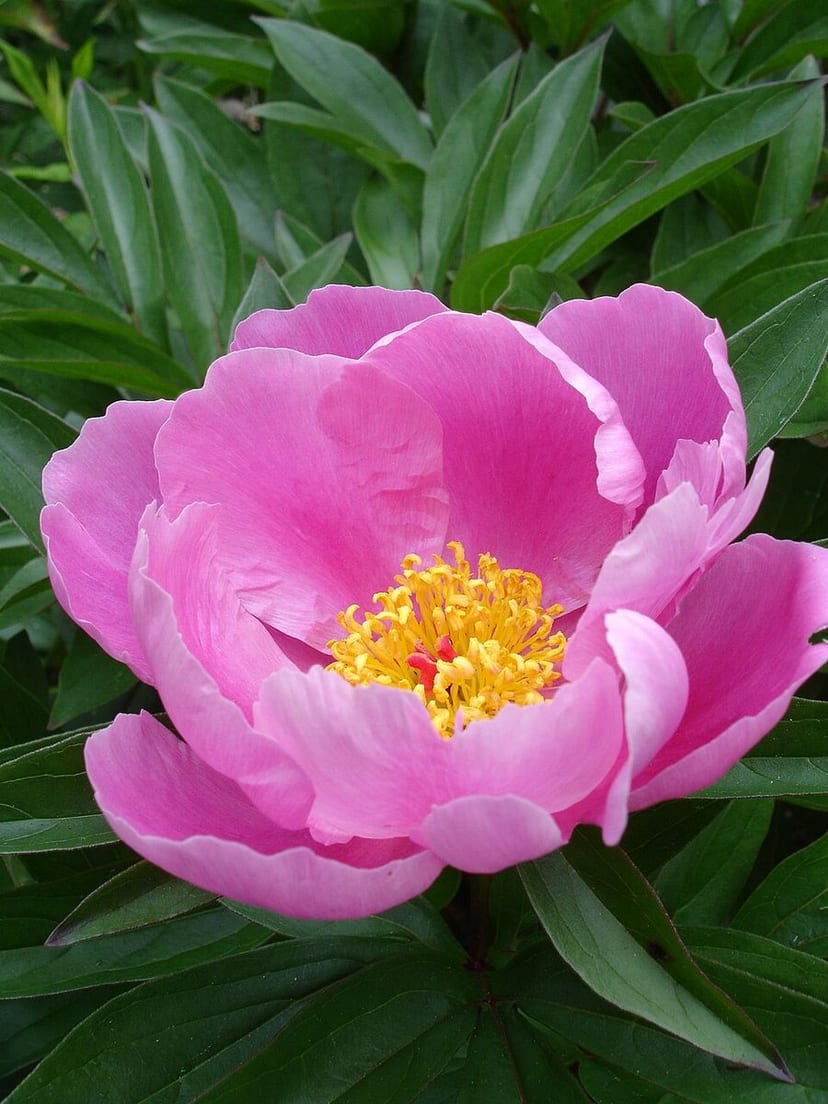
Liliaceae
Garden Lily Care Guide
Lilium
True lilies (Lilium) — Asiatic, Oriental, and trumpet types — are staples of summer borders and cut-flower searches across the US and Europe.
 View Gallery
Care Overview
Light
Full–part sun
Orientals like a bit of afternoon shade in hot zones.
Water
Even moisture
Never waterlog bulbs; mulch keeps roots cool.
Temperature
Cool roots
Hardy in many temperate US/EU zones.
Humidity
Average
Good spacing reduces botrytis on leaves.
Soil
Well-drained
Rich loam with grit; avoid heavy winter wet.
Pet Safe
Highly toxic to cats
All true lilies can be fatal to cats — keep indoors plants away.
Detailed Care Instructions
Planting
Plant bulbs 2–3× their height deep in fall or early spring. Orientals prefer slightly acidic soil.
Staking
Tall Orientals and trumpets may need discreet stakes before buds weigh stems down.
After bloom
Deadhead pods but leave stems until yellow so bulbs recharge.
Pet safety
Never bring Lilium indoors if you have cats. Even pollen can be dangerous.
How to Propagate
- 1
Step 1
Bulb scales
- 2
Step 2
Bulbils on stem (species dependent)
- 3
Step 3
Division of bulb clumps
Common Problems & Solutions
Issue 1
CommonLily beetle in Europe and parts of North America
What to do:
- Check soil moisture and light first
- Adjust watering or humidity as needed
- Remove damaged leaves and monitor for 1–2 weeks
Issue 2
OccasionalBotrytis in wet springs
What to do:
- Check soil moisture and light first
- Adjust watering or humidity as needed
- Remove damaged leaves and monitor for 1–2 weeks
Viral mottling
Rareremove infected plants
What to do:
- Check soil moisture and light first
- Adjust watering or humidity as needed
- Remove damaged leaves and monitor for 1–2 weeks
Toxicity Information & Safety Guide
Cats
ToxicAll true Lilium species and hybrids (Asiatic, Oriental, trumpet, stargazer, Easter lily) are life-threatening to cats. Daylilies (Hemerocallis) are a different genus and are also toxic to cats — peace lily and calla are not true lilies but can still irritate.
Exposure & symptoms:
- Licking pollen off fur or drinking vase water
- Vomiting, drooling, lethargy within hours
- Increased thirst/urination → kidney failure risk
What to do:
- Remove pollen from fur with a damp cloth
- Call a vet or pet poison hotline immediately
- Bring a photo or the scientific name Lilium
Dogs & children
CautionDogs are less sensitive than cats but GI upset is possible. Keep bouquets and outdoor beds out of reach of toddlers who may put petals in their mouth.
Watch for:
- Chewing stems or petals outdoors
- Mild vomiting or drooling in dogs
- Mouth irritation in children
Safer habits:
- Skip indoor Lilium if you share a home with cats
- Choose non-Lilium cut flowers for cat households
- See our toxic-to-pets care guide for more species
Frequently Asked Questions
How often should I water Garden Lily?
Even moisture. Never waterlog bulbs; mulch keeps roots cool.
What light does Garden Lily need?
Full–part sun. Orientals like a bit of afternoon shade in hot zones.
Is Garden Lily toxic to pets?
Highly toxic to cats. True lilies (Lilium) are extremely toxic to cats — pollen, leaves, flowers, and water from a vase can trigger acute kidney failure. Dogs are at lower risk but still should not chew plants. Treat any cat exposure as an emergency.
How do I propagate Garden Lily?
Step 1: Bulb scales
What are common problems with Garden Lily?
Issue 1. Lily beetle in Europe and parts of North America
Not sure what plant you have?
Upload a photo to Free Plant Identifier — free AI plant identifier online, no app required. Get the name, care tips, and pet toxicity in seconds.
Identify a plant from a photo