Hydrangeaceae
Bigleaf Hydrangea Care Guide
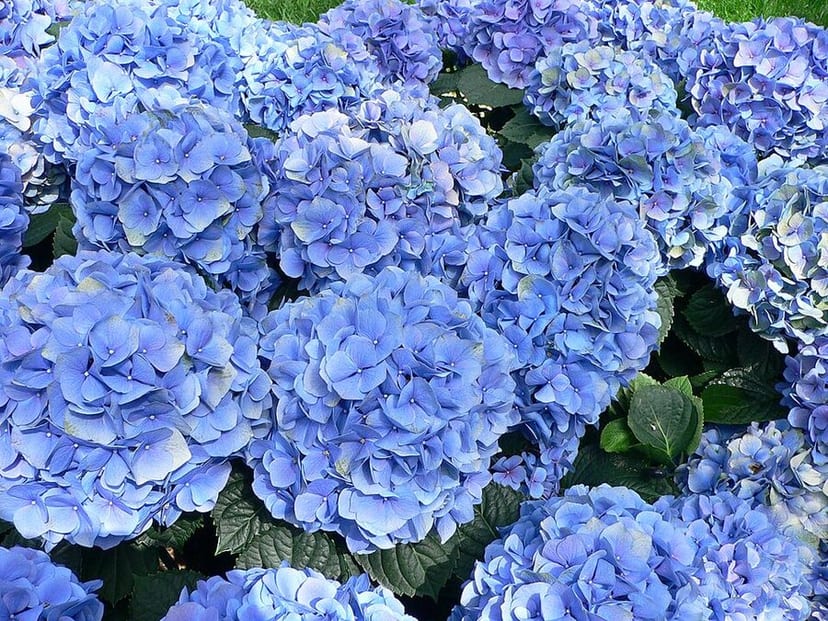
Hydrangea macrophylla
Bigleaf hydrangeas drive huge summer search traffic for blue vs pink color chemistry, pruning mistakes, and wilting care.
 View Gallery
Care Overview
Light
Part sun
Morning sun + afternoon shade prevents leaf scorch.
Water
Consistent
Wilting in heat is common — deep water, mulch well.
Temperature
Mild
Flower buds can freeze in late cold snaps (US zones).
Humidity
Moderate–high
Appreciates humid air; mist rarely needed outdoors.
Soil
Moist loam
Organic, well-drained soil; adjust pH for color goals.
Pet Safe
Toxic
Contains compounds that can sicken pets if eaten.
Detailed Care Instructions
Light & water
Avoid hot western exposures. Mulch to hold moisture during summer heat waves.
Color
Acidic soils favor blue (with aluminum available); alkaline soils favor pink. White types stay white.
Pruning
Many mopheads bloom on old wood — prune lightly after flowering, not hard in spring.
Winter
Protect buds in cold zones with wraps or plant reblooming cultivars.
How to Propagate
- 1
Step 1
Softwood cuttings in early summer
- 2
Step 2
Layering low branches into soil
Common Problems & Solutions
Issue 1
CommonNo blooms after winter bud kill or wrong pruning time
What to do:
- Check soil moisture and light first
- Adjust watering or humidity as needed
- Remove damaged leaves and monitor for 1–2 weeks
Issue 2
OccasionalLeaf scorch and midday wilt in full sun
What to do:
- Check soil moisture and light first
- Adjust watering or humidity as needed
- Remove damaged leaves and monitor for 1–2 weeks
Issue 3
RareChlorosis in very alkaline soils
What to do:
- Check soil moisture and light first
- Adjust watering or humidity as needed
- Remove damaged leaves and monitor for 1–2 weeks
Toxicity Information & Safety Guide
Pets
ToxicContains compounds that can sicken pets if eaten.
Symptoms:
- Drooling or pawing at mouth
- Vomiting or stomach upset
- Skin irritation from thorns/sap
What to do:
- Remove plant material from mouth
- Offer water; do not force feed
- Call a vet or poison hotline if needed
Children
ToxicDiscourage tasting leaves, petals, or seeds.
Effect:
- Mild mouth irritation
- Stomach discomfort if swallowed
- Scratch risk from thorns (roses)
Note:
- Place plants out of reach
- Supervise outdoor play near beds
- Wash hands after gardening
Handling
CautionHydrangeas are toxic if ingested; keep away from curious pets and children.
Tips:
- Wear gloves when pruning
- Avoid eye contact with sap
- Clean tools after use
Reminder:
- Keep cuttings away from pets
- Dispose of trimmings safely
- Seek help if severe reaction occurs
Frequently Asked Questions
How often should I water Bigleaf Hydrangea?
Consistent. Wilting in heat is common — deep water, mulch well.
What light does Bigleaf Hydrangea need?
Part sun. Morning sun + afternoon shade prevents leaf scorch.
Is Bigleaf Hydrangea toxic to pets?
Toxic. Hydrangeas are toxic if ingested; keep away from curious pets and children.
How do I propagate Bigleaf Hydrangea?
Step 1: Softwood cuttings in early summer
What are common problems with Bigleaf Hydrangea?
Issue 1. No blooms after winter bud kill or wrong pruning time
Not sure what plant you have?
Upload a photo to Free Plant Identifier — free AI plant identifier online, no app required. Get the name, care tips, and pet toxicity in seconds.
Identify a plant from a photo