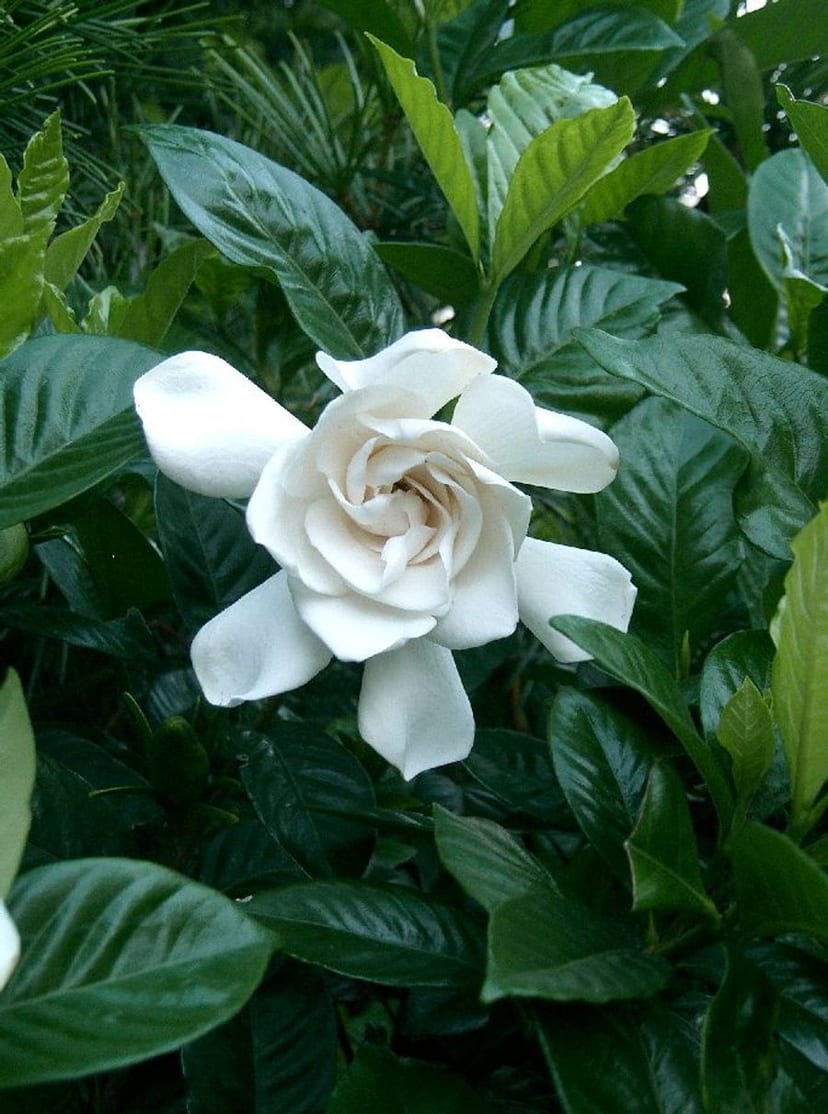
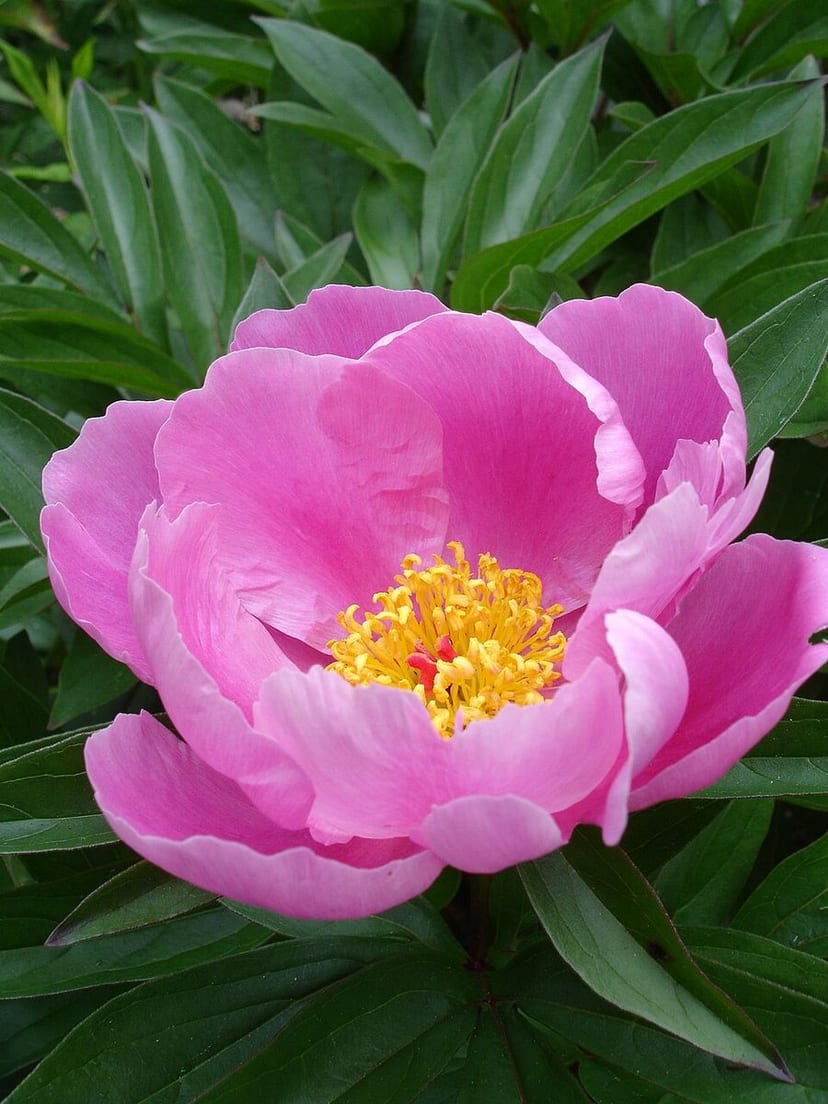
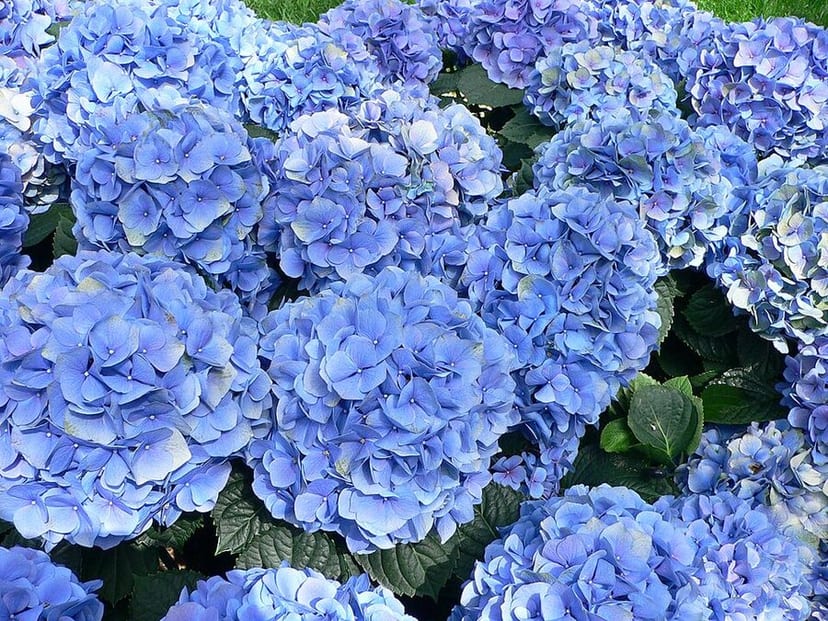
Theaceae
Camellia Care Guide
Camellia japonica
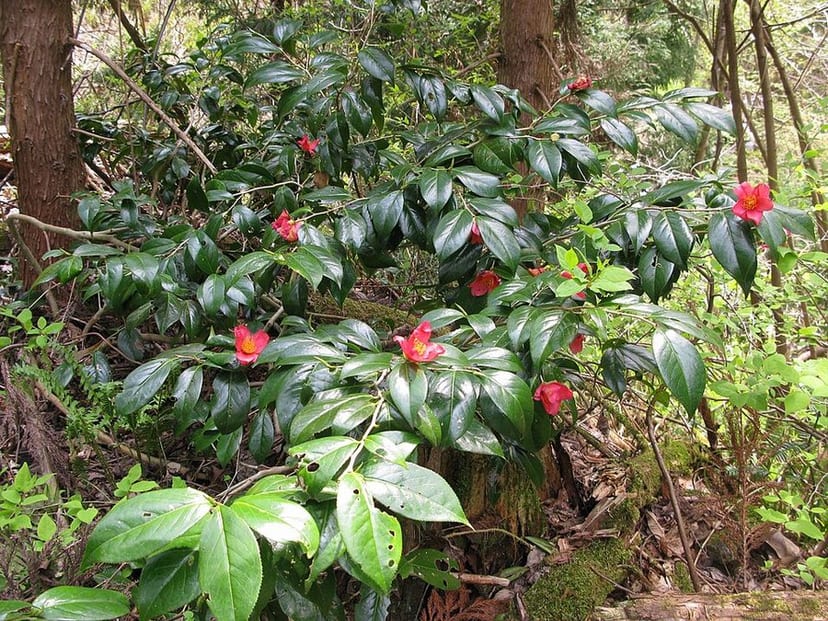
Japanese camellia (Camellia japonica) is an evergreen shrub with rose-like winter or spring blooms — a classic for mild coastal gardens and shaded woodland edges.
 View Gallery
Care Overview
Light
Partial shade
Morning sun / afternoon shade; avoid reflected wall heat.
Water
Even moisture
Mulch roots; never let the root zone dry hard in bud.
Temperature
Mild winters
Flower buds can blast after freeze–thaw swings.
Humidity
Average outdoor
Woodland edge humidity is ideal; windy sites dry buds.
Soil
Acidic, drained
Pine bark or leaf mold mulch supports acidity and cool roots.
Pet Safe
Generally low risk
Usually non-toxic listings; still discourage chewing.
Detailed Care Instructions
Light & Site
Morning sun and afternoon shade work well. Avoid reflected heat from south- or west-facing walls that can scorch leaves. Plant where winter wind will not desiccate buds.
Water & Mulch
Keep soil moist but drained. A pine-bark or leaf mulch helps acidity and root coolness. Drought during bud swell is a common cause of bud drop.
Feeding
Use fertilizer formulated for acid-loving plants after flowering, following label rates. Avoid late high-nitrogen pushes that soft-grow foliage into frost.
Pruning
Prune lightly after bloom if needed. Heavy cuts can remove next season’s flower buds, which form on older wood for many cultivars.
Bloom Problems
Bud blast often follows freeze–thaw or drought. Petal blight in wet springs browns flowers quickly — remove fallen petals and improve airflow where practical.
How to Propagate
- 1
Step 1
Semi-hardwood cuttings in summer
- 2
Step 2
Air-layer branches on mature plants
- 3
Step 3
Graft cultivars onto vigorous rootstock where practiced
Common Problems & Solutions
Issue 1
CommonBud blast from freeze–thaw or drought
What to do:
- Check soil moisture and light first
- Adjust watering or humidity as needed
- Remove damaged leaves and monitor for 1–2 weeks
Issue 2
OccasionalScale insects on stems
What to do:
- Check soil moisture and light first
- Adjust watering or humidity as needed
- Remove damaged leaves and monitor for 1–2 weeks
Issue 3
RarePetal blight in wet spring weather
What to do:
- Check soil moisture and light first
- Adjust watering or humidity as needed
- Remove damaged leaves and monitor for 1–2 weeks
Toxicity Information & Safety Guide
Pets
SafeGenerally regarded as non-toxic; chewing still not encouraged.
Watch for:
- Mild GI upset if chewed
- Plant debris in mouth
What to do:
- Clear plant bits
- Call a vet if unusual symptoms appear
Frequently Asked Questions
How often should I water Camellia?
Even moisture. Mulch roots; never let the root zone dry hard in bud.
What light does Camellia need?
Partial shade. Morning sun / afternoon shade; avoid reflected wall heat.
Is Camellia toxic to pets?
Generally low risk. Camellia japonica is generally regarded as non-toxic to cats and dogs, but discourage chewing of ornamental shrubs.
How do I propagate Camellia?
Step 1: Semi-hardwood cuttings in summer
What are common problems with Camellia?
Issue 1. Bud blast from freeze–thaw or drought
Not sure what plant you have?
Upload a photo to Free Plant Identifier — free AI plant identifier online, no app required. Get the name, care tips, and pet toxicity in seconds.
Identify a plant from a photo