Rubiaceae
Cape Jasmine Care Guide
Gardenia jasminoides
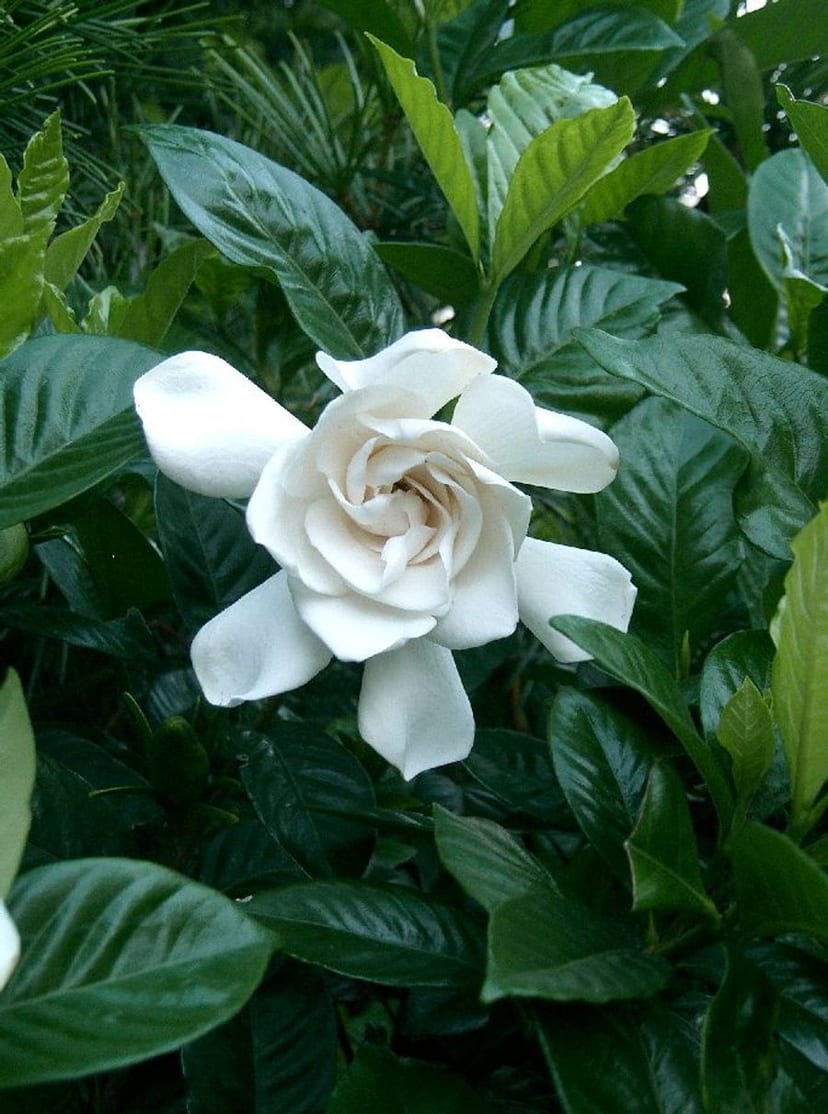
Cape jasmine (Gardenia jasminoides) is a fragrant evergreen shrub prized for creamy-white blooms and glossy leaves — a top search for indoor and patio gardeners in warm climates.
 View Gallery
Care Overview
Light
Bright, filtered
Morning sun or bright shade; avoid harsh afternoon scorch on leaves.
Water
Even moisture
Water when the top inch dries; do not let the root ball bake dry in bloom.
Temperature
65–75°F days
Protect from cold drafts and sudden drops that trigger bud drop.
Humidity
Medium–high
Pebble trays or humid rooms help indoor plants set buds.
Soil
Acidic, drained
Use an acid-loving mix; alkaline water/soil often yellows leaves.
Pet Safe
Generally low risk
Usually listed non-toxic, but discourage chewing of ornamentals.
Detailed Care Instructions
Light Requirements
Provide bright, filtered light indoors or morning sun outdoors. Too little light reduces blooming; harsh afternoon sun can bleach leaves and stress buds. East-facing exposures are often ideal for patio pots.
Watering & Humidity
Water when the top inch of soil dries. Gardenias dislike drying out completely while buds form and prefer higher humidity — mist lightly or use a pebble tray indoors. Always empty saucers so roots are not sitting in stagnant water.
Soil & Feeding
Use an acidic, well-drained mix formulated for acid-loving shrubs. Feed in spring and summer with an acid plant fertilizer at label rates. Yellow leaves with green veins often point to iron stress in alkaline conditions.
Bloom & Bud Drop
Bud drop commonly follows overwatering, underwatering, cold drafts, or moving the plant while buds swell. Keep temperature and moisture steady from bud set through opening.
Containers & Winter
In cold climates, grow gardenia in a pot you can bring indoors before frost. Give the brightest cool room you can, reduce fertilizer, and watch for spider mites in dry heated air.
How to Propagate
- 1
Step 1
Take softwood cuttings in late spring
- 2
Step 2
Root in a moist, sterile mix under humidity
- 3
Step 3
Transplant once roots are established
Common Problems & Solutions
Issue 1
CommonYellow leaves from alkaline soil or iron deficiency
What to do:
- Check soil moisture and light first
- Adjust watering or humidity as needed
- Remove damaged leaves and monitor for 1–2 weeks
Issue 2
OccasionalBud drop from irregular watering or cold drafts
What to do:
- Check soil moisture and light first
- Adjust watering or humidity as needed
- Remove damaged leaves and monitor for 1–2 weeks
Issue 3
RareScale insects on stems and leaf undersides
What to do:
- Check soil moisture and light first
- Adjust watering or humidity as needed
- Remove damaged leaves and monitor for 1–2 weeks
Toxicity Information & Safety Guide
Pets
SafeTypically listed as non-toxic, but chewing can still cause mild stomach upset.
Watch for:
- Drooling
- Mild vomiting
- Soft stool
What to do:
- Remove plant material
- Offer fresh water
- Call a vet if symptoms persist
Frequently Asked Questions
How often should I water Cape Jasmine?
Even moisture. Water when the top inch dries; do not let the root ball bake dry in bloom.
What light does Cape Jasmine need?
Bright, filtered. Morning sun or bright shade; avoid harsh afternoon scorch on leaves.
Is Cape Jasmine toxic to pets?
Generally low risk. Gardenia is generally considered non-toxic to cats and dogs by major pet-poison references, but chewing any ornamental can upset stomachs — discourage browsing.
How do I propagate Cape Jasmine?
Step 1: Take softwood cuttings in late spring
What are common problems with Cape Jasmine?
Issue 1. Yellow leaves from alkaline soil or iron deficiency
Not sure what plant you have?
Upload a photo to Free Plant Identifier — free AI plant identifier online, no app required. Get the name, care tips, and pet toxicity in seconds.
Identify a plant from a photo