Malvaceae
Hibiscus Care Guide
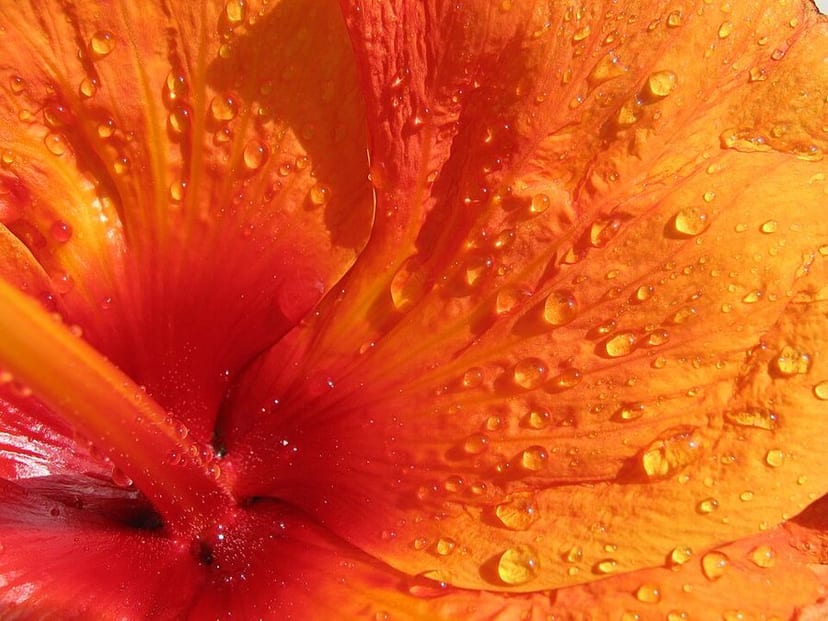
Hibiscus rosa-sinensis
Chinese hibiscus (Hibiscus rosa-sinensis) is a tropical flowering shrub with large, showy blooms — popular for patios, hedges, and summer color in warm US and Mediterranean gardens.
 View Gallery
Care Overview
Light
Full sun
Brightest outdoor sun or a very bright window for bloom.
Water
Moist in heat
Water deeply in summer; ease off in cool indoor winters.
Temperature
Above 50°F
Frost damages foliage — move pots indoors early.
Humidity
Average–warm
Outdoor humidity is usually fine; watch mites indoors.
Soil
Rich, drained
Loose potting mix; avoid waterlogged containers.
Pet Safe
Generally low risk
Commonly listed non-toxic; still discourage heavy chewing.
Detailed Care Instructions
Light Requirements
Place in full sun outdoors or the brightest indoor window. Insufficient light means fewer blooms and leggy growth. Rotate pots weekly so stems do not lean hard toward one window.
Watering
Keep evenly moist in summer heat; let the top soil dry slightly between waterings in cooler months. Wilting in midday heat often recovers after a deep drink — persistent wilt with wet soil suggests root stress.
Feeding
Use a bloom-focused fertilizer during active growth. Flush pots occasionally to avoid salt buildup that burns leaf edges. Cut fertilizer when overwintering indoors.
Winter Care
In cold regions, grow as an annual or overwinter indoors above freezing with reduced watering and the brightest spot available. Expect some leaf drop after the move; new growth resumes with longer days.
Pruning for Shape
Pinch soft tips early in the season for bushier plants. Hard pruning is best after a bloom flush so you do not remove too many forming buds at once.
How to Propagate
- 1
Step 1
Root tip cuttings in warm, bright conditions
- 2
Step 2
Use a light, well-drained rooting mix
- 3
Step 3
Pot up once roots resist a gentle tug
Common Problems & Solutions
Issue 1
CommonAphids and whiteflies on soft growth
What to do:
- Check soil moisture and light first
- Adjust watering or humidity as needed
- Remove damaged leaves and monitor for 1–2 weeks
Issue 2
OccasionalYellow leaves from overwatering or cool soil
What to do:
- Check soil moisture and light first
- Adjust watering or humidity as needed
- Remove damaged leaves and monitor for 1–2 weeks
Issue 3
RareBuds dropping after sudden moves or drought
What to do:
- Check soil moisture and light first
- Adjust watering or humidity as needed
- Remove damaged leaves and monitor for 1–2 weeks
Toxicity Information & Safety Guide
Pets
SafeUsually non-toxic listings; mild GI upset possible if chewed.
Watch for:
- Mild vomiting
- Soft stool
- Less interest in food
What to do:
- Remove chewed parts
- Monitor hydration
- Contact a vet if symptoms worsen
Frequently Asked Questions
How often should I water Hibiscus?
Moist in heat. Water deeply in summer; ease off in cool indoor winters.
What light does Hibiscus need?
Full sun. Brightest outdoor sun or a very bright window for bloom.
Is Hibiscus toxic to pets?
Generally low risk. Hibiscus rosa-sinensis is commonly listed as non-toxic to pets, but individual animals may still get mild stomach upset — keep plants out of heavy chewing range.
How do I propagate Hibiscus?
Step 1: Root tip cuttings in warm, bright conditions
What are common problems with Hibiscus?
Issue 1. Aphids and whiteflies on soft growth
Not sure what plant you have?
Upload a photo to Free Plant Identifier — free AI plant identifier online, no app required. Get the name, care tips, and pet toxicity in seconds.
Identify a plant from a photo