Asteraceae
Dahlia Care Guide
Dahlia
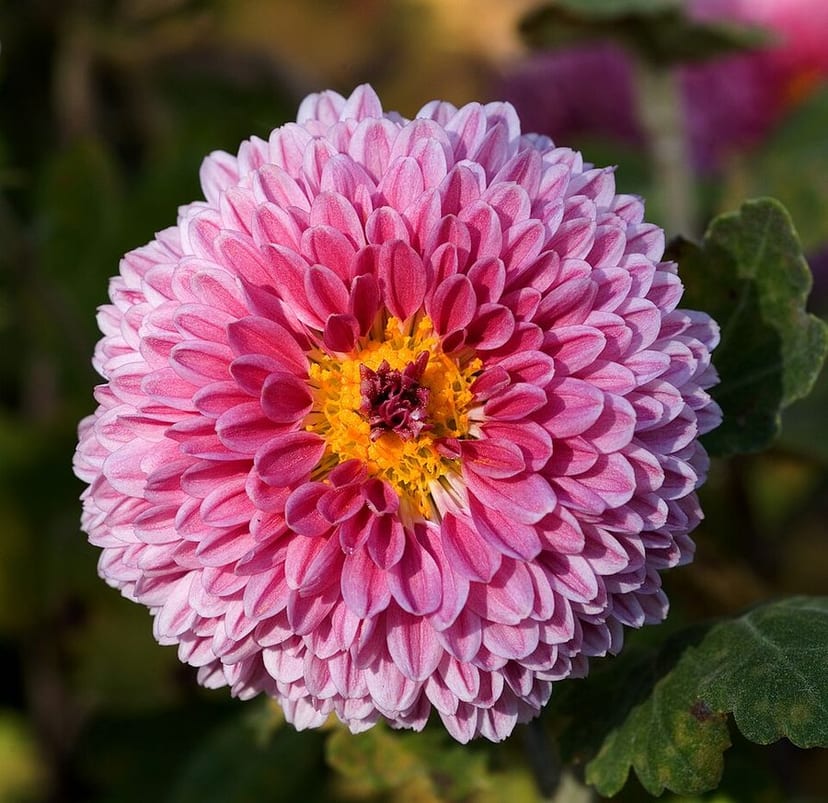
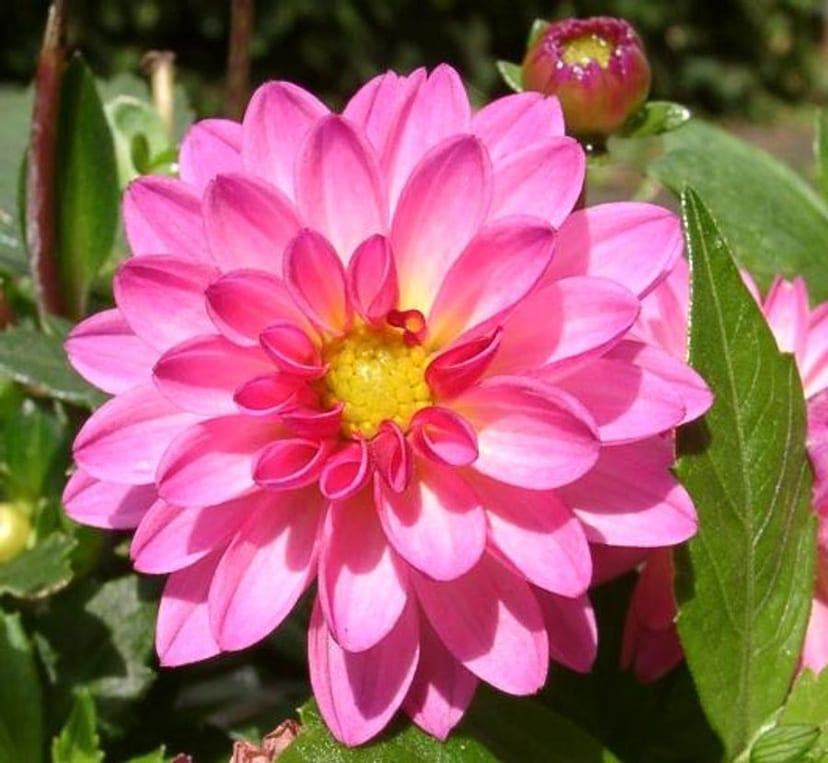
Dahlias are tuberous perennials grown for bold summer and fall blooms — from dinner-plate giants to compact patio types popular across US and European gardens.
 View Gallery
Care Overview
Light
Full sun
Six or more hours of sun for strong stems and blooms.
Water
Deep, regular
Keep moisture steady once buds appear; avoid soggy crowns.
Temperature
After frost
Plant tubers only when soil has warmed past frost risk.
Humidity
Average
Good spacing reduces powdery mildew in humid summers.
Soil
Rich, drained
Loose fertile soil; heavy clay needs amending.
Pet Safe
Caution
Tubers/plant parts may upset stomachs if dug up and chewed.
Detailed Care Instructions
Planting Tubers
Plant tubers after frost danger passes, eyes up, in loose fertile soil. Tall dinner-plate types need stakes or cages at planting so you do not spear tubers later.
Water & Feed
Water deeply in dry spells. A low-nitrogen bloom fertilizer supports flowers without excessive leafy growth. Uneven drought at bud stage shortens vase life and stem strength.
Deadheading
Remove spent blooms to extend flowering into fall. Cut stems for the house in the cool morning for longer vase life.
Winter Storage
In cold climates, dig tubers after frost blackens foliage, dry, and store cool and frost-free in barely moist peat or vermiculite. Label cultivars before clusters look identical.
Pests & Disease
Watch slugs on soft shoots and powdery mildew in crowded humid beds. Thin lower leaves and water at the soil line to keep foliage drier.
How to Propagate
- 1
Step 1
Divide tubers ensuring each piece has an eye
- 2
Step 2
Take basal cuttings in spring from sprouted tubers
- 3
Step 3
Start cuttings under bright light and even moisture
Common Problems & Solutions
Issue 1
CommonSlugs and earwigs on soft growth
What to do:
- Check soil moisture and light first
- Adjust watering or humidity as needed
- Remove damaged leaves and monitor for 1–2 weeks
Issue 2
OccasionalPowdery mildew in humid crowding
What to do:
- Check soil moisture and light first
- Adjust watering or humidity as needed
- Remove damaged leaves and monitor for 1–2 weeks
Issue 3
RareTuber rot in wet winter storage
What to do:
- Check soil moisture and light first
- Adjust watering or humidity as needed
- Remove damaged leaves and monitor for 1–2 weeks
Toxicity Information & Safety Guide
Pets
CautionTubers and plant parts may cause mild GI upset if chewed.
Watch for:
- Vomiting
- Drooling
- Digging at tuber clumps
What to do:
- Block access to stored tubers
- Remove chewed material
- Call a vet if symptoms continue
Frequently Asked Questions
How often should I water Dahlia?
Deep, regular. Keep moisture steady once buds appear; avoid soggy crowns.
What light does Dahlia need?
Full sun. Six or more hours of sun for strong stems and blooms.
Is Dahlia toxic to pets?
Caution. Dahlia tubers and plants can cause mild stomach upset if chewed; keep pets from digging and eating tubers.
How do I propagate Dahlia?
Step 1: Divide tubers ensuring each piece has an eye
What are common problems with Dahlia?
Issue 1. Slugs and earwigs on soft growth
Not sure what plant you have?
Upload a photo to Free Plant Identifier — free AI plant identifier online, no app required. Get the name, care tips, and pet toxicity in seconds.
Identify a plant from a photo