Asteraceae
Gerbera Daisy Care Guide
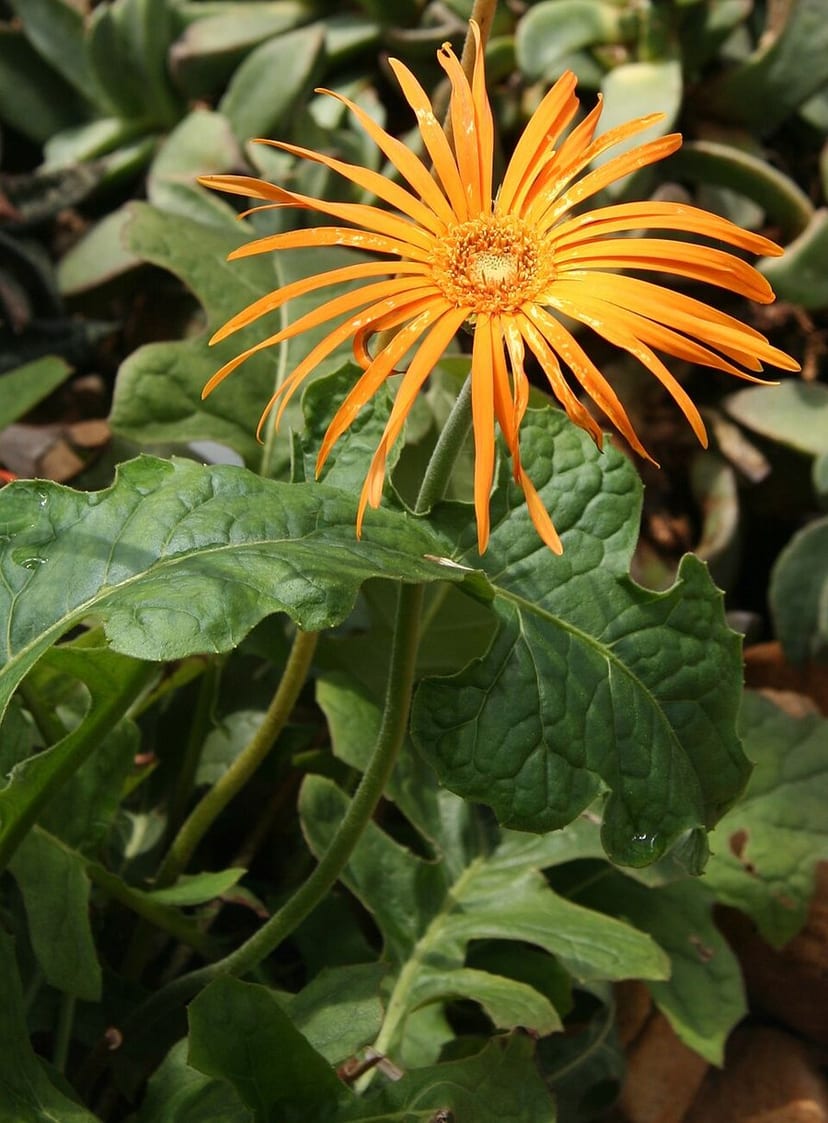
Gerbera jamesonii
Gerbera daisies are gift-bouquet and patio staples — vivid discs that rank high in US and European “what flower is this” photo searches.
 View Gallery
Care Overview
Light
Bright
Strong light for continuous bloom; weak light = few flowers.
Water
Moderate
Water soil, not the crown; let top inch dry.
Temperature
65–75°F
Dislikes cold drafts and hot radiators.
Humidity
Average
Good air movement prevents powdery mildew.
Soil
Airy mix
Well-draining potting mix; crown slightly elevated.
Pet Safe
Generally safe
Usually non-toxic, but discourage chewing.
Detailed Care Instructions
Light
South or west window indoors, or patio with morning sun. Rotate pots for even growth.
Watering
Overwatering at the crown causes rot. Use pots with drainage holes.
Feeding
Bloom fertilizer every 2–3 weeks in active growth; reduce in winter.
Cut flowers
Harvest when outer petals are fully open. Recut stems underwater for longer vase life.
How to Propagate
- 1
Step 1
Division of clumps
- 2
Step 2
Seed for breeding lines
Common Problems & Solutions
Issue 1
CommonCrown and root rot from wet media
What to do:
- Check soil moisture and light first
- Adjust watering or humidity as needed
- Remove damaged leaves and monitor for 1–2 weeks
Issue 2
OccasionalPowdery mildew in stagnant humid rooms
What to do:
- Check soil moisture and light first
- Adjust watering or humidity as needed
- Remove damaged leaves and monitor for 1–2 weeks
Issue 3
RareFew blooms under low indoor light
What to do:
- Check soil moisture and light first
- Adjust watering or humidity as needed
- Remove damaged leaves and monitor for 1–2 weeks
Toxicity Information & Safety Guide
Pets
SafeUsually non-toxic, but discourage chewing.
Symptoms:
- Drooling or pawing at mouth
- Vomiting or stomach upset
- Skin irritation from thorns/sap
What to do:
- Remove plant material from mouth
- Offer water; do not force feed
- Call a vet or poison hotline if needed
Children
CautionDiscourage tasting leaves, petals, or seeds.
Effect:
- Mild mouth irritation
- Stomach discomfort if swallowed
- Scratch risk from thorns (roses)
Note:
- Place plants out of reach
- Supervise outdoor play near beds
- Wash hands after gardening
Handling
CautionGerberas are generally considered non-toxic to cats and dogs.
Tips:
- Wear gloves when pruning
- Avoid eye contact with sap
- Clean tools after use
Reminder:
- Keep cuttings away from pets
- Dispose of trimmings safely
- Seek help if severe reaction occurs
Frequently Asked Questions
How often should I water Gerbera Daisy?
Moderate. Water soil, not the crown; let top inch dry.
What light does Gerbera Daisy need?
Bright. Strong light for continuous bloom; weak light = few flowers.
Is Gerbera Daisy toxic to pets?
Generally safe. Gerberas are generally considered non-toxic to cats and dogs.
How do I propagate Gerbera Daisy?
Step 1: Division of clumps
What are common problems with Gerbera Daisy?
Issue 1. Crown and root rot from wet media
Not sure what plant you have?
Upload a photo to Free Plant Identifier — free AI plant identifier online, no app required. Get the name, care tips, and pet toxicity in seconds.
Identify a plant from a photo