
Araceae
Golden Pothos Care Guide
Epipremnum aureum
Golden Pothos (Epipremnum aureum) care guide — how to grow, water, and keep this popular plant healthy. Use Free Plant Identifier’s free AI plant identifier if you need to confirm the species from a photo.
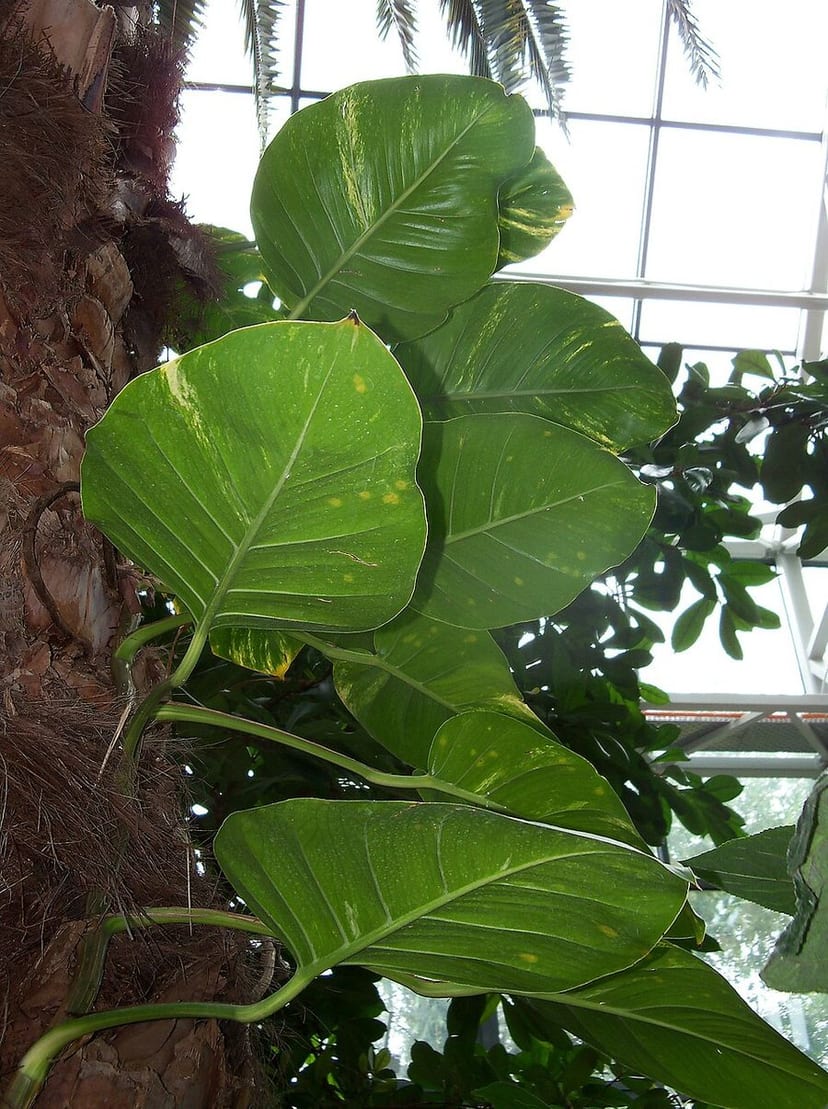 View Gallery
Care Overview
Light
Bright / sun
Most flowering ornamentals bloom best with several hours of good light.
Water
Even moisture
Water thoroughly, then let the top inch of soil dry slightly.
Temperature
Mild days
Protect tender plants from hard frost unless marked hardy.
Humidity
Average
Average outdoor or indoor humidity is usually fine.
Soil
Well-drained
Use a loose, well-drained mix; avoid waterlogged roots.
Pet Safe
Check species
Toxicity varies by plant — review the toxicity notes before pets browse outdoors.
Detailed Care Instructions
Light
Place Golden Pothos where it receives the light level typical for flowering ornamentals — usually bright conditions for strong blooms.
Water
Keep soil evenly moist during active growth. Reduce watering when growth slows.
Feeding
Use a balanced fertilizer during the growing season according to label rates.
Maintenance
Remove spent blooms and damaged foliage to keep plants tidy and encourage flowering.
How to Propagate
- 1
Step 1
Sow seed or take cuttings depending on the species
- 2
Step 2
Divide clumps of perennial types in spring or fall
- 3
Step 3
Root soft tip cuttings in a moist, sterile mix
Common Problems & Solutions
Issue 1
CommonAphids or whiteflies on soft new growth
What to do:
- Check soil moisture and light first
- Adjust watering or humidity as needed
- Remove damaged leaves and monitor for 1–2 weeks
Issue 2
OccasionalPowdery mildew in crowded, humid conditions
What to do:
- Check soil moisture and light first
- Adjust watering or humidity as needed
- Remove damaged leaves and monitor for 1–2 weeks
Issue 3
RareRoot rot from persistently wet soil
What to do:
- Check soil moisture and light first
- Adjust watering or humidity as needed
- Remove damaged leaves and monitor for 1–2 weeks
Toxicity Information & Safety Guide
Pets
CautionToxicity varies by plant — review the toxicity notes before pets browse outdoors.
Symptoms:
- Drooling or pawing at mouth
- Vomiting or stomach upset
- Skin irritation from thorns/sap
What to do:
- Remove plant material from mouth
- Offer water; do not force feed
- Call a vet or poison hotline if needed
Children
CautionDiscourage tasting leaves, petals, or seeds.
Effect:
- Mild mouth irritation
- Stomach discomfort if swallowed
- Scratch risk from thorns (roses)
Note:
- Place plants out of reach
- Supervise outdoor play near beds
- Wash hands after gardening
Handling
CautionToxicity for Golden Pothos varies by cultivar and plant part. Keep curious pets from chewing unfamiliar garden plants and check a veterinary toxicology reference when unsure.
Tips:
- Wear gloves when pruning
- Avoid eye contact with sap
- Clean tools after use
Reminder:
- Keep cuttings away from pets
- Dispose of trimmings safely
- Seek help if severe reaction occurs
Frequently Asked Questions
How often should I water Golden Pothos?
Even moisture. Water thoroughly, then let the top inch of soil dry slightly.
What light does Golden Pothos need?
Bright / sun. Most flowering ornamentals bloom best with several hours of good light.
Is Golden Pothos toxic to pets?
Check species. Toxicity for Golden Pothos varies by cultivar and plant part. Keep curious pets from chewing unfamiliar garden plants and check a veterinary toxicology reference when unsure.
How do I propagate Golden Pothos?
Step 1: Sow seed or take cuttings depending on the species
What are common problems with Golden Pothos?
Issue 1. Aphids or whiteflies on soft new growth
Not sure what plant you have?
Upload a photo to Free Plant Identifier — free AI plant identifier online, no app required. Get the name, care tips, and pet toxicity in seconds.
Identify a plant from a photo


